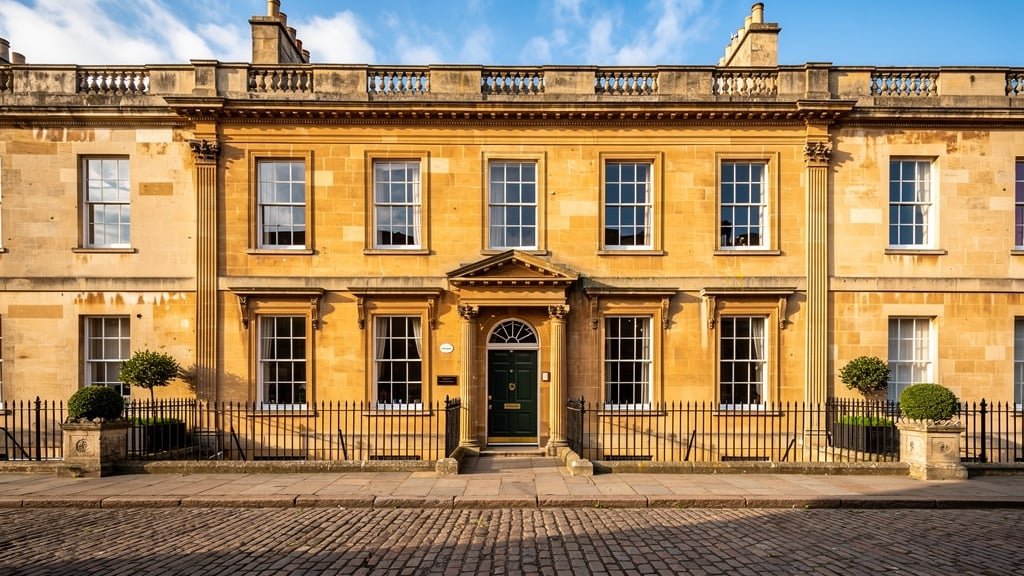
Bath Surveyors UK is based in a world heritage city, and we're proud of it. Bath has more listed buildings per capita than almost any city in England — over 5,000 of them, many of the highest national importance. If you're drawn to the idea of owning a piece of Georgian Bath, you're in good company. But buying a listed building comes with unique responsibilities, costs, and risks that you absolutely must understand before you sign anything.
What Does "Listed Building" Actually Mean in Bath?
A listed building is one that has been designated as being of special architectural or historic interest. In England, there are three grades:
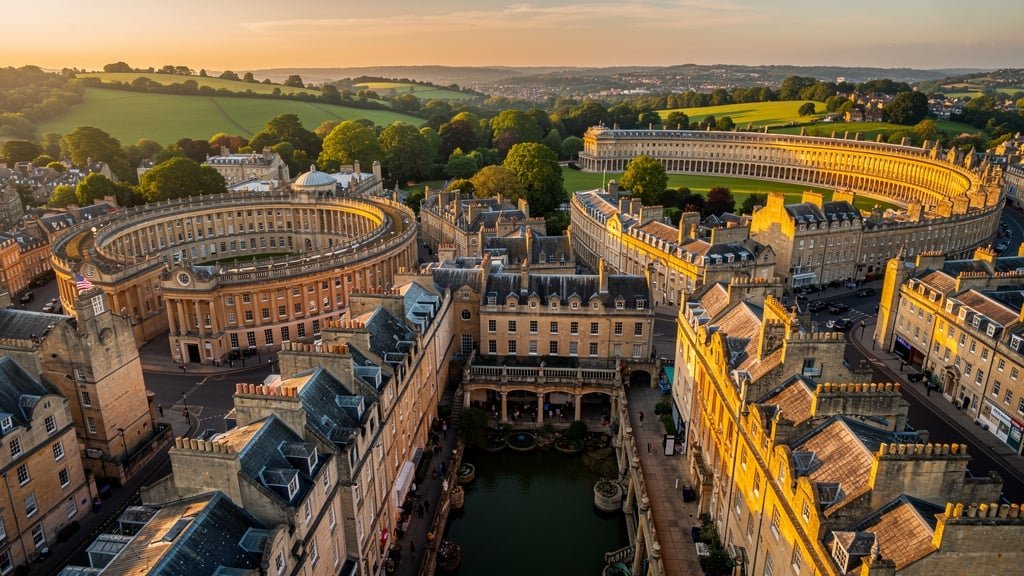
- Grade I: Buildings of exceptional interest — only 2% of all listed buildings. In Bath, this includes the Royal Crescent, the Circus, Pulteney Bridge, and the Roman Baths.
- Grade II* (Grade II Star): Particularly important buildings of more than special interest — around 6% of all listed buildings.
- Grade II: Buildings of special interest — about 92% of all listed buildings. Most listed homes in Bath fall into this category.
Once a building is listed, you cannot alter, extend, or demolish it without listed building consent from the local authority. This applies to the interior as well as the exterior — and it applies to previous owners' work, not just your own.
Why You Must Get a Level 3 Survey on a Listed Building
Our listed building survey service always involves a comprehensive Level 3 building survey. There are several reasons for this:
- The construction materials and methods used in historic buildings are very different from modern ones. You need a surveyor who understands lime mortar, Bath stone, lead, timber frame and other traditional materials.
- Unauthorised alterations (by any previous owner) can create expensive liability for you as the new owner.
- Repair costs for listed buildings are significantly higher — you can't just use any material or method.
- Some lenders and insurers have specific requirements for listed buildings that affect what survey you'll need.
Common Issues We Find in Listed Bath Properties
After surveying hundreds of listed properties in Bath, here are the defects we encounter most often:
- Bath stone erosion and decay: The distinctive honey-coloured Bath stone is beautiful but can spall (flake off) over time, especially on exposed faces. Repair requires specialist stone matching and lime mortar.
- Failed lead work: Original lead flashings, flat roofs, gutters and hoppers in listed buildings need specialist lead workers and materials that match the original.
- Unauthorised double glazing: Many owners have illegally replaced original sash windows with double glazing without consent. You'll inherit this liability at purchase.
- Cement repointing over original lime mortar: A very common — and damaging — error. Cement is too hard and traps moisture, causing the stone to decay from within.
- Structural movement in party walls: Bath's terraces are interdependent, and movement in one property can affect adjoining ones.
- Damp from below ground: Many Bath properties have basement or semi-basement areas that are vulnerable to groundwater ingress.
The Financial Reality of Listed Building Ownership
Let's be honest about the costs. Owning a listed building in Bath is wonderful — but it's more expensive to maintain than a modern property. Our rough benchmarks:
- Roof repairs on a mid-terrace Georgian property: £5,000–£30,000
- Bath stone repair and repointing (per elevation): £2,000–£15,000
- Sash window restoration (per window): £500–£2,000
- Basement waterproofing: £10,000–£40,000+
- Full internal refurbishment using approved materials: £80,000–£300,000+
These figures sound alarming, but they're spread over time — and a well-maintained listed Bath property will hold and grow its value extraordinarily well. The key is knowing what you're buying into before you commit.
Case Study: The Georgian Apartment That Needed £40,000 of Work
A client came to us last year wanting to buy a first-floor apartment in a Grade II listed terrace near the city centre. The property looked immaculate — the vendor had clearly spent money on decoration. But our Level 3 survey told a very different story.
We found: illegal cement repointing to the rear elevation (requiring expensive removal and lime repointing), a failing lead valley gutter between two roof sections (causing penetrating damp to the top-floor flat above), and clear evidence of a previous unauthorised bathroom installation that would require retrospective listed building consent.
Our client was initially devastated. But armed with our report and estimated costings, they returned to the negotiating table and secured a price reduction of £35,000 — more than covering the cost of the repairs and the survey itself.
Thinking of Buying a Listed Building in Bath?
Don't take the risk without a specialist listed building survey from Bath Surveyors UK. We have decades of experience with Bath's historic building stock. Get a free quote today →

Jonathan has over 30 years of experience, with particular specialism in Bath's historic Georgian buildings and listed properties.