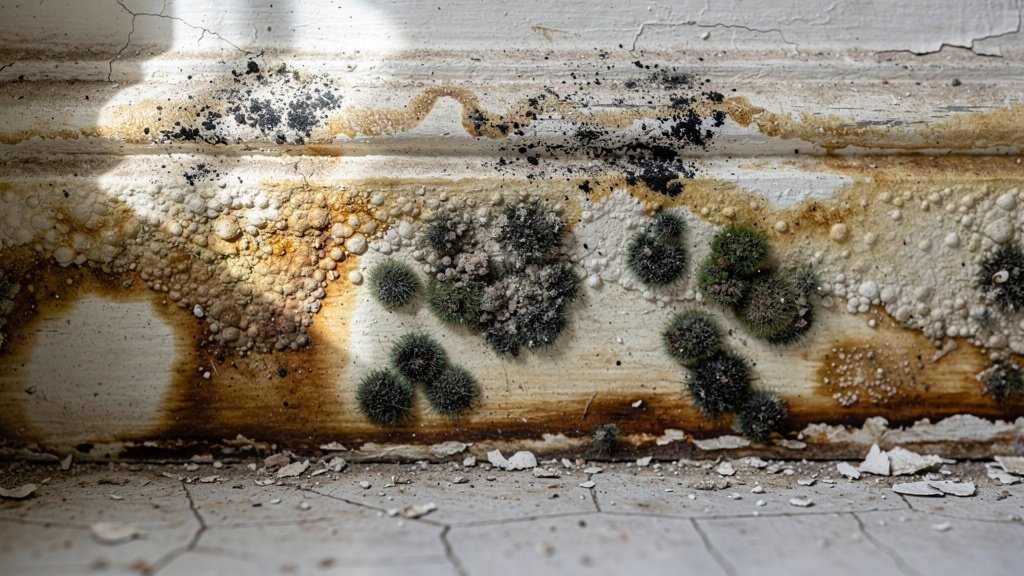
Bath Surveyors UK identifies damp as the most common defect we encounter in Bath's property stock. Given that so many of the city's homes are hundreds of years old, this really isn't surprising — but it does mean that if you're buying a property in Bath, understanding damp is absolutely essential. In this article, I'll walk you through the three main types of damp, how to spot the warning signs, what treatment actually costs, and crucially — when to walk away.
"In over fifteen years of surveying Bath properties, I can count on one hand the number of pre-1900 houses I've inspected without finding some form of dampness. That doesn't mean it's always a problem — but it does mean you need to understand what you're looking at." — Rachel Okafor, Surveyor & Valuer
The Three Main Types of Damp in Bath Properties
Before we dive in, it's worth understanding that "damp" is a broad term that covers several very different problems. Each has different causes, different treatments and very different price tags. Getting the diagnosis right is everything — and unfortunately, many of the "damp specialists" sent by estate agents have a vested interest in diagnosing the most expensive type.
1. Rising Damp
Rising damp occurs when groundwater wicks up through masonry walls from below floor level. It typically affects the lower metre or so of internal walls and leaves a distinctive tide mark. In theory, it's prevented by a damp-proof course (DPC) — a layer of impermeable material built into the wall. In older Bath properties, the original DPC (if there is one) may be failing or absent entirely.
True rising damp is actually far less common than the damp treatment industry would have you believe. Studies have suggested that many cases diagnosed as rising damp are actually caused by condensation or penetrating damp. A RICS surveyor will give you an independent diagnosis — we have no incentive to tell you you need expensive treatment.
Cost to treat: £1,500–£10,000+ depending on extent and treatment method.
2. Penetrating Damp
Penetrating damp happens when water gets in through the building's fabric — through cracked render, failed pointing, leaking gutters, damaged roofing, or poor flashings. It can appear anywhere on a wall, not just at the base, and often has a distinctive shape mirroring the source of the leak.
In Bath's Georgian and Victorian properties, the most common sources of penetrating damp we find are: failed lead flashings around chimney stacks, cracked or slipped roof tiles, poorly maintained Bath stone that has become porous, and overflowing or damaged gutters and downpipes.
Cost to treat: Often just a few hundred pounds to fix the root cause — though internal remediation can add significantly to the total.
3. Condensation
Condensation is the most common form of damp in residential properties, full stop. It occurs when warm, moist air meets a cold surface and water vapour condenses. It's worst in poorly ventilated rooms — bathrooms, kitchens, and bedrooms — and typically appears as black mould on walls, ceilings, and around windows.
The good news: condensation is usually cheap to treat. Improved ventilation, better heating, and thermal upgrades can all make a significant difference. However, persistent condensation that has caused structural damage to plaster or timber will be more costly to fully rectify.
Cost to treat: £100–£3,000+ depending on extent.
How Do Surveyors Check for Damp?
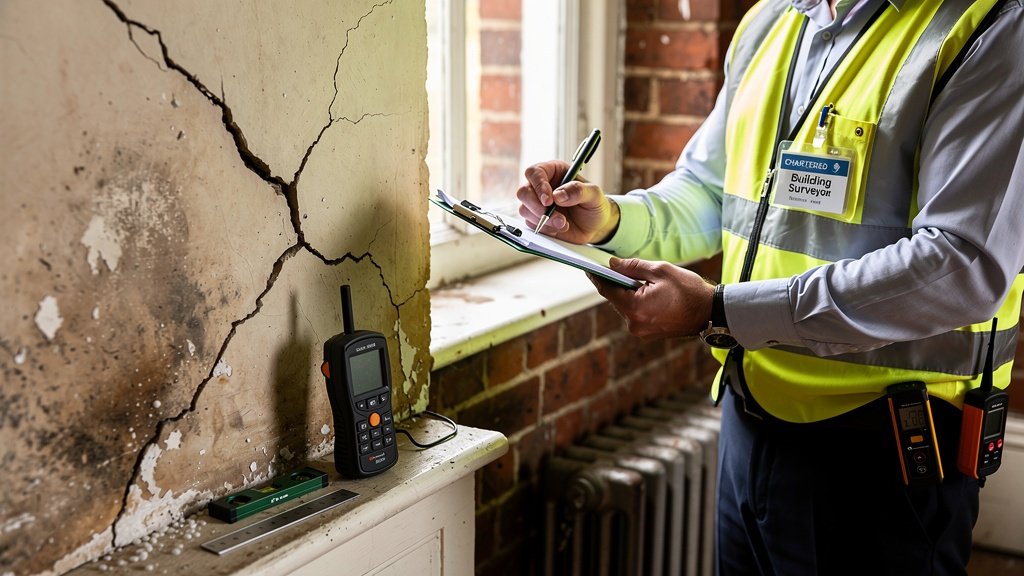
During a Level 3 building survey, our surveyors use a combination of visual inspection and electronic moisture meters to identify areas of elevated moisture content in walls and floors. We look for: tide marks, salt deposits (efflorescence), peeling plaster, discolouration, mould growth, damage to skirting boards and floor joists, and the tell-tale smell of damp.
We also inspect all the external elements that can cause damp — roofing, gutters, downpipes, flashings, pointing, render, ground levels and drainage. Often, identifying the cause of internal damp requires a thorough external inspection first.
Case Study: A Victorian Terrace in Oldfield Park
One of our recent clients was buying a mid-terrace Victorian house in Oldfield Park. The property had been freshly decorated throughout and looked immaculate. But during our Level 2 homebuyer survey, our surveyor noticed that the skirting boards in the front ground-floor room were noticeably newer than the rest of the property. On closer inspection, moisture readings in the base of the front wall were elevated — and when we lifted a small section of the new skirting board (with the vendor's permission), we found evidence of significant damp and early-stage rot in the floor joists.
The vendor had covered up the problem, not resolved it. Our client used the survey report to negotiate a substantial price reduction and had the work properly done before moving in. Without the survey, they would have moved in to a property with a significant structural damp problem.
Red Flags to Look Out For When Viewing
- Freshly painted walls or newly replaced skirting boards in older properties (a potential cover-up)
- Strong smell of fresh paint or air fresheners during viewings
- Black mould around windows or in corners of rooms
- Wallpaper that is bubbling, peeling or stained
- Tide marks on walls below 1m above floor level
- Blocked or overflowing gutters visible from outside
- Ground levels at or above the internal floor level
- Cracked or failed render on external walls
Don't Let Damp Put You Off a Property
Damp doesn't automatically mean you should walk away from a property. It does mean you need to understand the type of damp, its extent, and how much it will cost to fix. Our surveyors will give you an honest assessment of all three. Get a building survey quote →

Rachel has 15 years of experience surveying residential properties across Bath and Bristol. She specialises in Level 2 homebuyer surveys and has an exceptional eye for defects that get missed by less experienced surveyors.