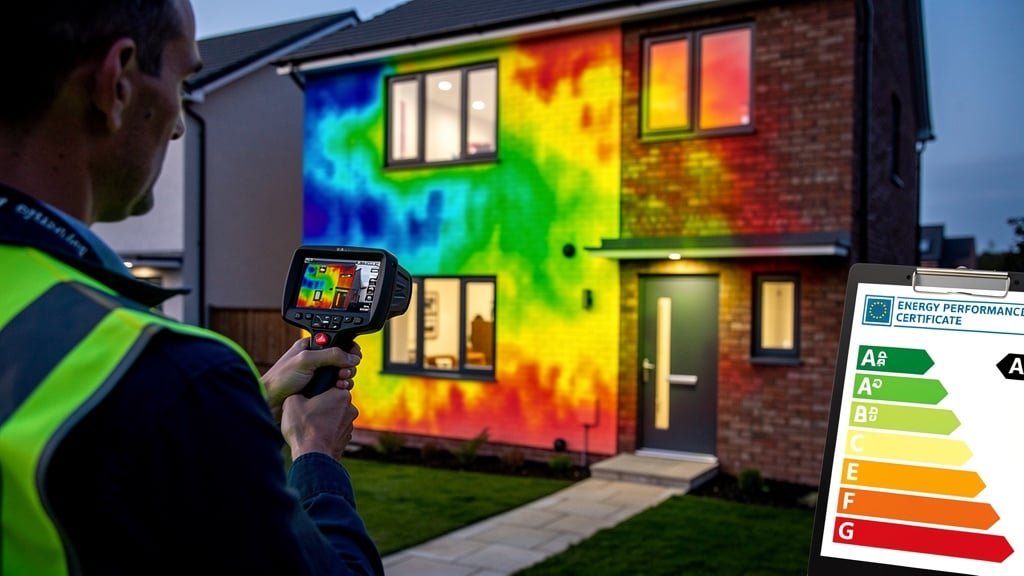
Bath Surveyors UK increasingly finds that energy efficiency is a top priority for our clients — and with good reason. Energy costs have risen dramatically in recent years, and the energy performance of a property has a real impact on your monthly bills. It's also increasingly important for future resale value, as lenders and buyers pay closer attention to Energy Performance Certificate (EPC) ratings. Here's what our building surveys can tell you about a property's energy efficiency.
Why Energy Efficiency Matters in Bath
Bath's housing stock presents particular energy efficiency challenges. Many of the city's most beautiful Georgian properties were built with solid walls — no cavity to fill with insulation — and single-glazed sash windows. They're thermally inefficient by modern standards, and improving them (especially in listed buildings) is complicated by heritage constraints.
Understanding the energy efficiency of a property before you buy is important for several reasons:
- It gives you a realistic picture of your ongoing heating costs
- It helps you budget for any energy improvement works required
- From 2025 onwards, minimum EPC requirements for rented properties are increasing
- Some mortgage lenders are beginning to offer "green mortgage" discounts for higher-rated properties
What Our Surveys Assess
While our building surveys are not energy assessments and don't produce EPC certificates, our surveyors are well-placed to identify energy efficiency issues and opportunities during the survey inspection:
- Roof insulation: We check the roof void for the presence and condition of loft insulation. The current recommended depth for loft insulation is 270mm. Many older Bath properties have inadequate or no loft insulation.
- Window type and condition: We note whether windows are single or double glazed, and assess their condition. Poorly fitting or draughty windows can account for a significant proportion of heat loss.
- Boiler type and age: Modern condensing boilers are significantly more efficient than older non-condensing models. We note the boiler type and age in our report.
- Cavity wall insulation: Where the property has cavity walls, we'll note whether they appear to have been filled.
- Solid wall construction: For solid-walled properties (very common in Bath), we'll highlight the potential for internal or external wall insulation and the constraints that may apply, particularly for listed buildings.

Energy Improvements in Listed Bath Properties
This is an area where many owners of Bath's historic properties feel frustrated. You want to improve the energy efficiency of your home, but listed building consent requirements limit what you can do. The key points to understand:
- Secondary glazing: An effective and generally permissible alternative to double glazing in listed buildings — it can reduce heat loss through windows by up to 50% without altering the historic character.
- Internal wall insulation: Possible in many listed buildings with appropriate materials (breathable, reversible). Requires listed building consent and a specialist contractor.
- Roof insulation: Usually permissible in listed buildings as long as the materials are appropriate and breathable.
- Heat pumps: Air source and ground source heat pumps can be installed in listed buildings with appropriate planning and listed building consents.
- Draught-proofing: One of the most cost-effective improvements. Draught-proofing around windows, doors and floors can make a significant difference to comfort and running costs.
What to Look for in an EPC
Every property being sold in England must have an EPC — check the rating carefully. A property rated F or G will have significantly higher running costs than a D or C. For a Georgian Bath townhouse, an E or F rating is not uncommon — but it should prompt you to ask questions about what upgrades have been made and what's possible in future.
Want to Know the Energy Efficiency of Your Bath Property?
Our building surveys include observations on energy efficiency features and opportunities. Get a free quote →

Jonathan founded Bath Surveyors UK with a mission to give property buyers expert, independent guidance throughout their property journey.